Is Peanut Butter Good for Cats? Benefits, Risks & Safety
No, peanut butter is not a good routine treat for cats. A curious cat may lick food from your plate, and that small taste can feel harmless. Still, not suitable does not mean every taste is an emergency. You can make a calm choice by knowing what this people food offers and what it can risk.
Cats have different food needs from people, so a snack that seems simple to you may not suit your pet. Your cat’s regular food should provide the nutrition needed for daily health. Peanut butter has no useful place in a cat’s regular diet. This guide helps you weigh the risks and choose a more fitting snack.
Key Takeaways
- Keep peanut butter out of your cat’s regular diet.
- A small taste is not automatically an emergency.
- Check the jar’s ingredients if your cat gets into it.
- Choose cat treats or plain cooked meat instead.
- Ask your veterinarian about snacks for a cat with health concerns.
Keep your cat’s usual food and treats in mind before sharing a people food.
Is Peanut Butter Good for Cats?
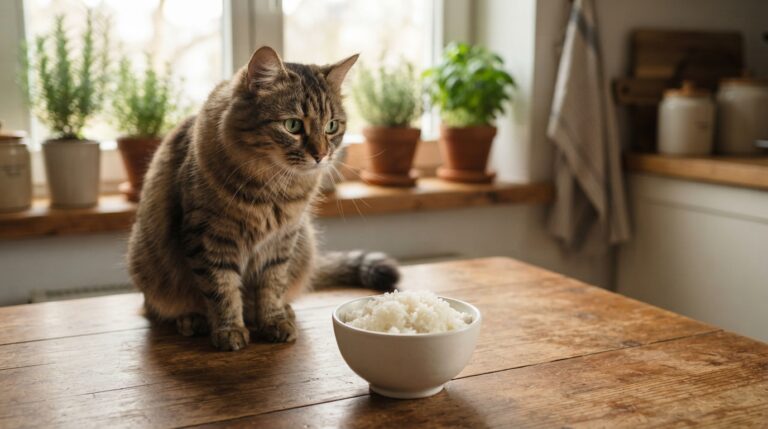
Peanut butter is not a good choice for cats because it does not meet their dietary needs. Cats are obligate carnivores, animals that need animal-based foods to meet their nutritional requirements. Meat proteins support a cat’s needs, while peanut butter adds no nutritional value to the diet.
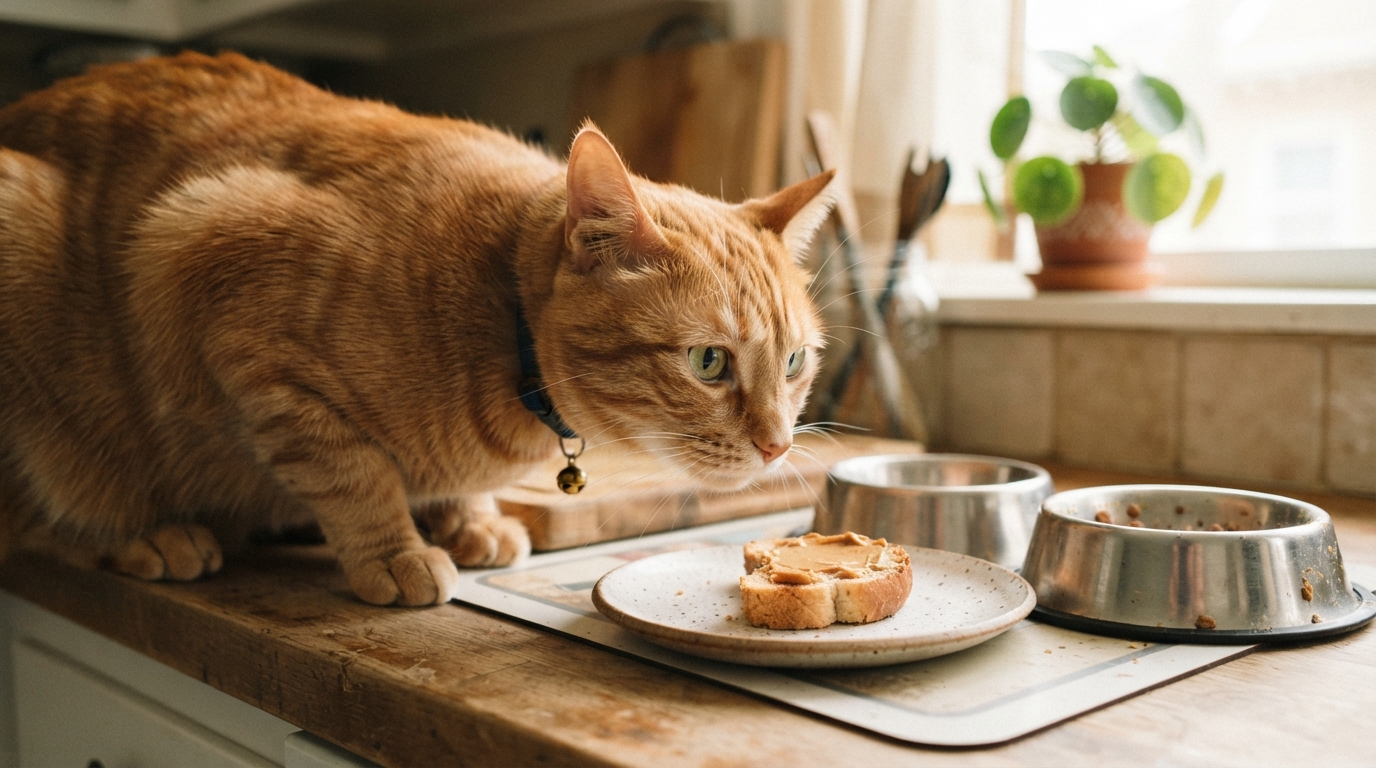
A cat may like the taste or show interest when you open the jar. That reaction does not mean the food is a healthy choice. Cats may also show interest in foods that offer little benefit or contain too much fat for a regular snack.
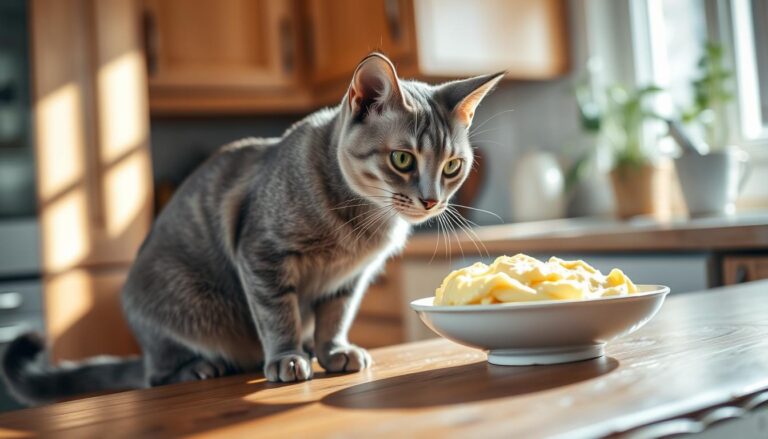
Peanut butter is high in fat and calories. Eating too much can add extra calories over time, which may contribute to weight gain and obesity. A cat’s size does not make calorie-dense people food a better fit.
Peanut butter does not improve cats’ eye health or replace complete cat food.
Complete cat food supplies balanced nutrition that a single human food cannot provide. Peanut butter is not an eye-health remedy, even if your cat seems eager to lick it. Dogs may enjoy it, but a food that suits dogs does not automatically suit cats.
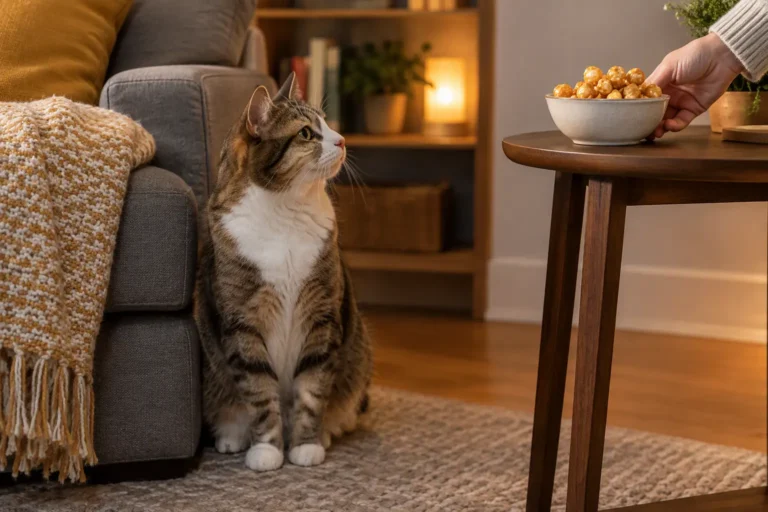
If your cat loves the taste, treat that interest as curiosity, not proof of a need. Sugary snacks also offer little nutritional value, as explained in this guide to caramel popcorn and cats. Keep your cat’s meals focused on food made to meet feline needs.
Which Peanut Butter Ingredients Should You Check?
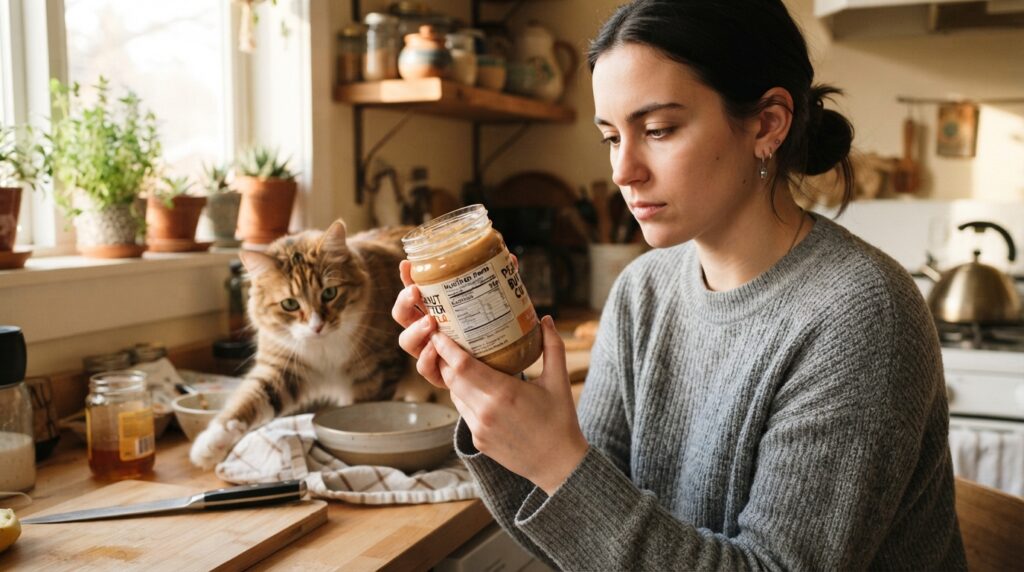
A peanut-butter label can contain ingredients that matter more to your cat than the peanuts themselves. Check the ingredient list and nutrition details, since added ingredients can raise concerns beyond the food’s low nutritional value. The absence of one additive does not make a jar a suitable cat treat.
Look for xylitol, a sweetener that may also appear as wood sugar, birch sugar, or birch bark extract. The label helps you identify what is in the jar, but it cannot turn peanut butter into balanced cat food.
Does SKIPPY Peanut Butter Contain Xylitol?
SKIPPY peanut butter does not contain xylitol, as its product ingredient information shows. That fact is not an endorsement of SKIPPY as safe overall for cats. The product still offers no needed nutrition and may contain other ingredients you would not choose for your pet.
The concern is not a claim that xylitol is a proven cat toxin. Check the exact product label rather than relying on a brand name or a past purchase. Recipes and product details can differ across jars.
How Can Salt, Sugar, and Oils Affect Cats?
Added salt, sugar, and oils can make a food less suitable for a cat. Excess oils and fats may cause vomiting, stomach pain, or diarrhea. Too much salt or sugar may also lead to vomiting, diarrhea, abdominal pain, excessive thirst, or frequent urination.
| Ingredient or label clue | Cat-related concern | What the label tells you |
|---|---|---|
| Xylitol, wood sugar, birch sugar, or birch bark extract | Contact a veterinarian if your cat eats a product listing it | Look for each name in the ingredient list |
| Added salt | Excess can disrupt blood electrolytes and cause severe signs | Check the ingredient list and nutrition details |
| Added sugar or oils | Excess may upset the stomach and add unwanted calories | Look for sweeteners, oils, and fat content |
Excessive salt can cause abnormal blood electrolytes. Depending on the amount, severe signs may include vomiting, diarrhea, depression, tremors, seizures, or death. A cat’s risk depends on how much it eats, so a label check matters even when the jar lacks xylitol.
Choose a different snack rather than treating the absence of one additive as proof that a product is suitable for cats.
What Should You Do If Your Cat Eats Peanut Butter?
If your cat has just licked a smear from a plate, find the jar and estimate how much is missing. A small taste does not always cause a problem, but the product and your cat’s condition matter. Contact a veterinary professional when the label or your cat’s symptoms raise concern.
The ASPCA says people, cats, and ferrets are not negatively affected by xylitol. That does not mean you should ignore a product label or skip case-specific advice. The ASPCA’s xylitol guidance can help put that ingredient concern in context.
If the Label Lists Xylitol
Use these steps to respond in a clear order:
- Remove the jar and any remaining food from your cat’s reach.
- Check the full ingredient list, including alternate names on the label.
- Note how much your cat ate and when you noticed it.
- If the product lists xylitol, contact a veterinarian or nearby animal hospital immediately. If symptoms develop, contact a veterinarian or the ASPCA Animal Poison Control Center at (888) 426-4435.
Can Peanut Butter Kill Cats, and How Quickly?
Peanut butter itself is not known to have a predictable cat-specific fatal timeline. A small lick may cause no signs, while a larger amount can upset your cat’s stomach. Severe salt exposure can cause life-threatening signs, depending on the amount eaten.
Do not wait for symptoms when a veterinarian advises an immediate call. The amount eaten and the ingredients help the veterinary team decide what your cat needs. If a cat ate peanut butter and you are unsure about the product, share the label details.
If Your Cat Develops Symptoms
Call a veterinarian or the ASPCA Animal Poison Control Center for vomiting, diarrhea, decreased appetite, or other concerning symptoms. The team can give advice based on the product, amount, and your cat’s health. Do not try to make your cat vomit unless a veterinary professional tells you to do so.
Biggy Paws explains that its health and nutrition content is educational, not veterinary advice, in its cat-care information. Your veterinarian can address your cat’s own health history and symptoms. Keep the package beside you while you speak with the veterinary team.
Can Cats Eat Peanuts?
Plain, unsalted peanuts are not toxic to cats, but that does not make them a useful snack. They provide little nutritional benefit and are high in fat. Too many peanuts can cause vomiting, diarrhea, or belly discomfort.
Whole peanuts also create a choking risk, especially for a cat that gulps food. Peanuts in their shells add an intestinal blockage risk. When cats eat peanut pieces, the form matters as much as the amount.
Salted or seasoned peanuts are a poorer choice because their added ingredients do not meet a cat’s food needs. Excessive salt can also cause abnormal blood electrolytes and serious signs, depending on how much a cat eats. Severe salt exposure risks include vomiting, diarrhea, depression, tremors, seizures, and death.
| Peanut form | Main concern | Practical takeaway |
|---|---|---|
| Plain, unsalted peanuts | High fat; little nutritional benefit | Not a useful cat snack |
| Salted or seasoned peanuts | Added salt or seasoning | Keep them away from your cat |
| Peanuts in shells | Choking and intestinal blockage risk | Store them out of reach |
Even a peanut your cat can chew does not add meaningful nutrition to a complete diet. A shell may also be hard to pass if swallowed, so do not leave shell-on peanuts on a low table or open bag.
Keep whole peanuts, especially those in their shells, out of your cat’s reach.
What Treats Are Safer Than Peanut Butter?
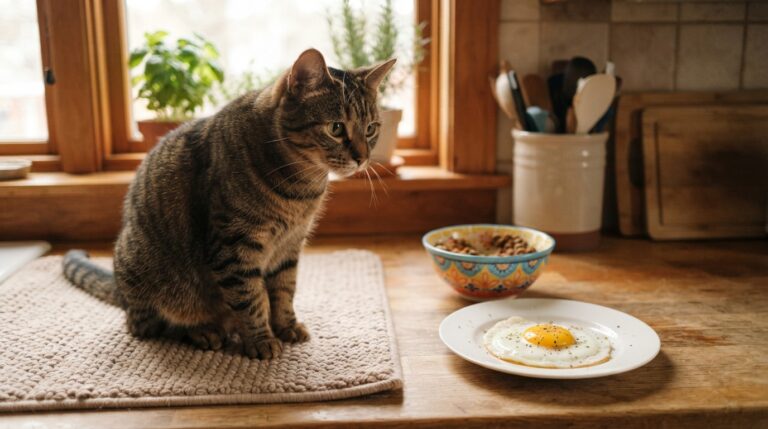
If you decide to share a treat, cat-formulated treats or a small piece of plain cooked meat are a better fit than peanut butter. Small portions matter, even with foods that suit cats. All treats should stay below 10 percent of your cat’s daily caloric intake.
That limit covers every treat and snack, not each item on its own. Your cat’s regular cat food should remain the dietary foundation. Cats with diabetes or other health issues need veterinary guidance before trying any human food.
Keep Treats Within the Daily Calorie Limit
Ask your veterinarian what amount, if any, is appropriate for your cat. Do not guess at a serving size for peanut butter, since cats differ in health and daily caloric intake. A veterinarian can help you choose a treat that fits your cat’s diet and needs.
Some cats also need care with treats because of weight concerns or a health condition. Peanut butter adds calories without useful nutrition, so a small portion can still take space from food that meets your cat’s needs.
Choose Cat-Appropriate Alternatives
Choose a treat with a simple form and no added seasoning. Plain cooked chicken or turkey can work as a small treat, as can plain cooked fish without added spices. Cat-formulated treats are made for cats and are easy to portion.
| Alternative | Suitable form | Why it fits |
|---|---|---|
| Cat-formulated treats | Small portions made for cats | Designed as a cat treat |
| Chicken or turkey | Plain, cooked, boneless pieces | Provides an animal-based food option |
| Fish | Plain cooked fish without added spices | A simple animal-based treat choice |
A small amount of wet cat food may work better than a sticky spread when you give medication. Check with your veterinarian first, since some medicines should not be mixed with food. This choice can also help keep the treat within your cat’s daily caloric intake.
Ask your veterinarian about a safe way to give medication if your cat refuses it in food.
Can Peanut Butter Choke a Cat?
A sticky smear can become a choking problem if it lodges in a cat’s mouth or throat. Thick peanut butter may be hard for a cat to clear, so watch for breathing trouble. Suspected choking needs immediate emergency veterinary care.
Know these signs of choking: pawing at the mouth, collapse, drooling, blue gums or lips, retching or gagging, and wheezing. The Merck Veterinary Manual’s emergency guidance describes signs that need urgent care.
Do not wait to see whether the signs pass. Breathing difficulty can become critical, and a cat may collapse quickly. Keep your own hands away from the cat’s mouth unless a veterinary professional directs you.
If your cat collapses or appears unable to breathe, go to an emergency veterinarian immediately.
Conclusion
Skipping peanut butter is the simplest way to avoid an unnecessary treat risk. Your cat can get the nutrition it needs from complete cat food, while a suitable treat can be small and simple. Choosing carefully also helps you avoid extra calories that may affect weight.
If your cat has diabetes, other health issues, or weight concerns, get advice before offering a new snack. Your veterinarian can help match treats to your cat’s diet and health. Before sharing a new snack, ask your veterinarian to account for your cat’s health and weight.