Can Cats Have Yogurt? A Quick Safety Guide
Can Cats Have Yogurt? A Quick Safety Guide for all cats lovers.
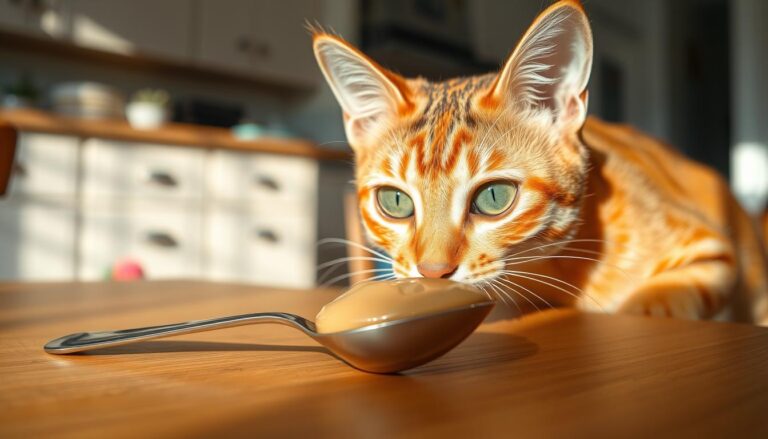
A cat that keeps licking the yogurt spoon is a common scene in many homes, and the short answer is yes, but only in a very small amount. Many owners let a cat lick the spoon without a second thought. That habit deserves a closer look.
Sharing a spoonful feels harmless, yet a cat’s gut does not always agree. Yogurt is not a needed food, and it carries real risks for some cats. Below, you will find the types to choose, safe amounts, warning signs and what to do with kittens.
Think of yogurt as an occasional taste, never a meal or a daily snack. Keep it plain and unsweetened, and check the label before each offer. Flavored yogurt is a no for cats, and daily feeding is a no too.
Table of Contents
- Plain, unsweetened yogurt is safe for most healthy adult cats in a very small amount.
- Yogurt is not needed for nutrition, because complete cat food already covers it.
- Many adult cats cannot digest lactose well, so dairy can upset the stomach.
- Flavored, sweetened and xylitol products are off limits.
- Offer one teaspoon or less, no more than once or twice a week.
Can Cats Have Yogurt? Yes, in Small Amounts
Yes, a healthy adult cat can have a very small taste of plain, unsweetened yogurt. Yogurt is not toxic to cats. The real concerns are digestion and the extra ingredients that many yogurts contain.
Yogurt is not a required part of a cat’s diet. Protein, calcium and B vitamins are already in balanced cat food. A complete cat food gives every nutrient a cat needs, so yogurt adds little beyond taste.
Plain, unsweetened yogurt is the only type worth offering, and only as a small taste.
Many people wonder if cats eat yogurt at all, and the answer is yes, within limits. Flavored and sweetened yogurts fall outside that rule, and later sections explain why. The answer assumes a healthy adult cat.
Think of a spoonful of plain yogurt as a cat treat, similar to a bit of cooked chicken. It is an extra, not a nutrient source. Ask your veterinarian before the first taste if your cat has a medical condition, and treat any taste as an extra rather than a nutrient source.
Why Lactose Gives Many Adult Cats Trouble
Most adult cats make far less lactase than they did as kittens, and that drop is the main reason dairy causes trouble. Lactose is the milk sugar that cats must break down with lactase to digest it without trouble. Many adult cats cannot digest most dairy well.
Kittens make plenty of lactase while nursing, but most adult cats produce less lactase after weaning. When lactose reaches the gut unbroken, it draws water into the bowel. Gut bacteria then ferment the sugar, which causes gas and loose stools.
The lactose level changes with the dairy product. Here is the usual order, from highest to lowest:
- Milk: highest lactose
- Ice cream: usually high
- Plain yogurt: lower, because fermentation breaks down part of the lactose
- Greek yogurt: lower still
- Aged hard cheese: usually very low
A cat that has had dairy before can still react, so judge each cat by its own history rather than by the label.
Which Yogurt Types Are the Least Risky
Plain Greek yogurt is the least risky choice among common yogurts, but it is not risk-free. Straining removes some lactose, so it holds less of the milk sugar than traditional yogurt. Even Greek yogurt can cause symptoms in cats.
Cats can eat Greek yogurt in a small taste, since it has less lactose than regular yogurt. A 7-ounce serving of yogurt has about 12 grams of protein. The benefits of yogurt for cats are small: protein, calcium, phosphorus, potassium, magnesium and B vitamins, which balanced cat food supplies too.
Live cultures may support gut bacteria, but they are a weak tool for digestive help. Cats should not eat blueberry yogurt, since fruit flavors add sugar even when real fruit is used. The table compares the common types.
| Yogurt type | Lactose level | Risk for a cat | Verdict |
|---|---|---|---|
| Plain traditional yogurt | Lower than milk | Symptoms possible in sensitive cats | Small taste only |
| Plain Greek yogurt | Lowest of common yogurts | Symptoms still possible | Small taste only |
| Low-fat plain yogurt | Similar to plain traditional | Same as plain traditional | Small taste only, if plain |
| Goat’s milk yogurt | Usually lower than cow’s milk yogurt | May suit some cats better | Small taste only, check the label |
| Fruit or flavored yogurt | Added sugar on top of lactose | Sugar and possible toxic add-ins | Avoid |
Pick plain yogurt with no fruit, and ask your vet for a cat-specific probiotic if your cat needs one.
Flavors, Sweeteners and Add-ins to Avoid
The most dangerous yogurt is the sugar-free one, because xylitol is toxic to cats in very small amounts. Flavored yogurts usually contain added sugar, and cats get no benefit from it.

Cats cannot taste sweetness, so the sugar gives them nothing. Sugar adds calories to the cup without adding nutrition. Skip any yogurt whose label lists sugar near the top of its ingredients.
Xylitol and Other Sweeteners
Xylitol is highly toxic to cats and is sometimes found in sugar-free or low-calorie yogurt. Check every sweetener on the ingredient list, not just the front of the cup. Sugar-free products are a trap for owners who think they are choosing a safer option.
Onion and Garlic Flavorings
Onion or garlic flavored yogurt can cause severe problems in cats. Regular intake of onion or garlic products can cause life-threatening red blood cell damage. Read the ingredients for both, since they can hide in savory flavors.
Cats should skip vanilla yogurt, since it has added sugar and often other ingredients. Strawberry yogurt is out too, because fruit flavors come with sugar. Raspberry yogurt is also off limits for the same sugar reason.
Chocolate in yogurt is toxic to cats, so skip chocolate chip mixes and granola add-ins too.
How Much to Offer and How Often
One teaspoon or less, no more than once or twice a week, is the limit to follow. Less is always safer. Keep each taste to one teaspoon or less.
Treats, yogurt included, should make up no more than 10% of a cat’s daily calories. The rest should come from complete and balanced cat food, which forms the base of a healthy cat diet.
Follow this short checklist each time you offer a taste:
- Pour one teaspoon or less onto a clean spoon.
- Offer it at a separate time from meals.
- Watch your cat for 24 hours.
- Stop if any stomach symptom appears.
Small amounts given at a set time make the total easy to track. Write down the date of each taste, so that the weekly limit is easy to keep.
Spotting Stomach Trouble After a Taste
The first symptoms of a dairy reaction often come hours later, not right after the taste. Gas and diarrhea usually appear 8 to 12 hours after the taste.

Before you rely on a taste, you can run a test with one tablespoon of milk or yogurt. A test taste can show within the day whether your cat reacts. Watch for these signs, which show the most common digestive issues.
| Symptom | Typical timing | What to do |
|---|---|---|
| Gas or belly discomfort | 8 to 12 hours after the taste | Stop yogurt, watch 24 hours |
| Diarrhea | 8 to 12 hours after the taste | Stop yogurt, call the vet if it lasts past 24 hours |
| Vomiting | Soon after a larger amount | Call the vet if it repeats |
| Low appetite | Within the day | Call the vet if it lasts past 24 hours |
| Lethargy | Any time | Call the vet at once |
Call your veterinarian right away if you see any of these signs:
- Vomiting that repeats
- Lethargy
- A yogurt with chocolate, raisins or xylitol
- Symptoms still present after 24 hours
A cat with diabetes or another medical condition needs a vet’s advice before any taste. Keep a note of when your cat ate yogurt and what it ate, so you can tell the vet exactly what happened.
Kittens, Sick Cats and Special Diets
A kitten under one year old should not have yogurt, because its digestion and nutritional needs are still developing. Kittens need food made for growth, not a dairy treat.
Your cat’s daily nutrition should come from complete food that fits its life stage. Sick cats and cats on special diets need more care than healthy adults.
Kittens Under One Year Old
Kittens have sensitive stomachs, and their gut is still adjusting to solid food. AAFCO recognizes growth as a separate pet food life stage, with nutrient amounts that differ from adult food.
The growth profile calls for 30% protein and 9% fat, while the adult maintenance profile calls for 26% protein and 9% fat. Feed kitten food formulated for growth, not a yogurt taste.
Cats With Diabetes or a Sensitive Stomach
Flavored or sweetened yogurt is a poor fit for a diabetic cat because of its added sugar. Cats with a sensitive stomach also need a vet’s view before any taste.
A cat on a prescription diet should not get extra food without a vet’s approval.
Those cats often react badly to changes in their routine, so keep their feeding steady. Ask your vet first if your cat has diabetes, a sensitive stomach or a prescription diet, and keep to the kitten or adult food for daily nutrition.
Conclusion
A plain, unsweetened yogurt is an occasional taste for a healthy adult cat, not a food it needs. It belongs with the other extras that sit outside a cat’s complete diet.
Look at the cup in your fridge before the next taste, and check that plain yogurt is the only thing listed. If you cannot reach your veterinarian right away after a toxic ingredient, call Pet Poison Helpline at 855-764-7661 for advice.
Check the label on your yogurt before the next taste, and call your vet before offering it to a cat with a health condition.